Our Mission
Transforming waste into sustainable nutrition with military precision
Operation: Zero Waste
We're on a mission to revolutionize sustainable protein production. Like a well-executed military operation, we convert organic waste into premium black soldier fly larvae protein with zero casualties to the planet. While crickets and mealworms are still at basic training, we're already deployed and making impact.
The BSFL Supply Chain
From waste to weapon-grade nutrition in just 14 days
Waste Collection
Organic waste from restaurants, farms, and food processors. What others throw away, we transform.
Larvae Deployment
BSFL larvae consume waste with 95% efficiency. They eat 2x their body weight daily—talk about appetite!
Protein Harvest
Premium protein ready for pets and farms. 42% protein, omega-3s, and calcium that crickets can only dream of.
Why BSFL Dominates the Competition
Crickets chirp. Mealworms squirm. BSFL deliver. 🪰💪
Methane Reduction
BSFL stop methane before it starts. Each ton of waste diverted = major climate win. Crickets? Still figuring out recycling.
Less Land Used
Vertical farming efficiency. We produce more protein per square foot than any cricket farm could imagine.
Water Savings
Massive water conservation vs traditional protein. Mealworms use 5x more water for inferior results.
Superior Calcium
5x more calcium than crickets. Perfect for egg-laying hens and strong bones. Hear that? *crickets* 🦗
Real Talk: Why Farmers & Pet Owners Choose BSFL
Forget the science for a second—here's what actually matters when you're running a farm or feeding your animals:
BSFL Stay Put. Crickets? Gone.
BSFL don't hop. They stay exactly where you put them. No chasing them around your barn at 2 AM.
Crickets are escape artists. One loose lid and you've got 500 crickets chirping in your walls. Good luck with that. 🏃💨
BSFL Hibernate. Crickets Die.
BSFL can hibernate for MONTHS. Cool them down, they sleep. Wake them up when you need them. Shelf life measured in seasons, not days.
Crickets? Can't hibernate. You either feed them constantly ($$) or they die. Or worse—they eat each other. Gross AND expensive.
BSFL Are Bulletproof. Crickets Are Glass.
BSFL are TOUGH. Temperature swings? No problem. Rough handling? They're fine. These bugs served in the military (figuratively).
Crickets die if you look at them wrong. Too hot? Dead. Too cold? Dead. Wrong humidity? Dead. It's like raising goldfish, but louder and hoppier. 🪦
The Competition Doesn't Stand a Chance
🏆 BSFL (The Champions)
- ✅ Stay put - No hopping, no escaping
- ✅ Hibernate on command - Months of shelf life
- ✅ Hardy as hell - Survive anything
- ✅ Soft exoskeleton - SAFE for all animals
- ✅ 95% digestibility - Maximum nutrition
- ✅ 5x calcium of crickets
- ✅ High omega-3 fatty acids
- ✅ Converts organic waste into protein
- ✅ Rapid 5-7 day growth cycle
🦗 Crickets (The Disasters)
- ❌ Hop everywhere - Escape artists 🏃💨
- ❌ Can't hibernate - Die or eat each other
- ❌ Fragile AF - Die if you look at them wrong
- ❌ Thick shell - HIGH impaction risk ⚠️
- ❌ 85% digestibility - Waste protein
- ❌ Low calcium (1% - pathetic)
- ❌ Minimal omega-3s
- ❌ No waste conversion - Just mouths to feed
- ❌ Slow 45+ day growth - If they survive
- ❌ Noisy, annoying, cannibalistic
🪱 Mealworms (The Squirmers)
- ❌ Wiggle away - Sneak out constantly
- ❌ No hibernation - Constant feeding needed
- ❌ Temperature divas - Die in wrong conditions
- ❌ Hard shell - VERY HIGH impaction risk ⚠️⚠️
- ❌ 80% digestibility - Even more waste
- ❌ Pathetic calcium (0.1% - seriously?)
- ❌ Poor fatty acid profile
- ❌ No waste conversion capability
- ❌ Slow 60+ day growth cycle
- ❌ High water & resource demands
🎖️ Our Certifications & Credentials
Proudly serving with verified standards and veteran dedication
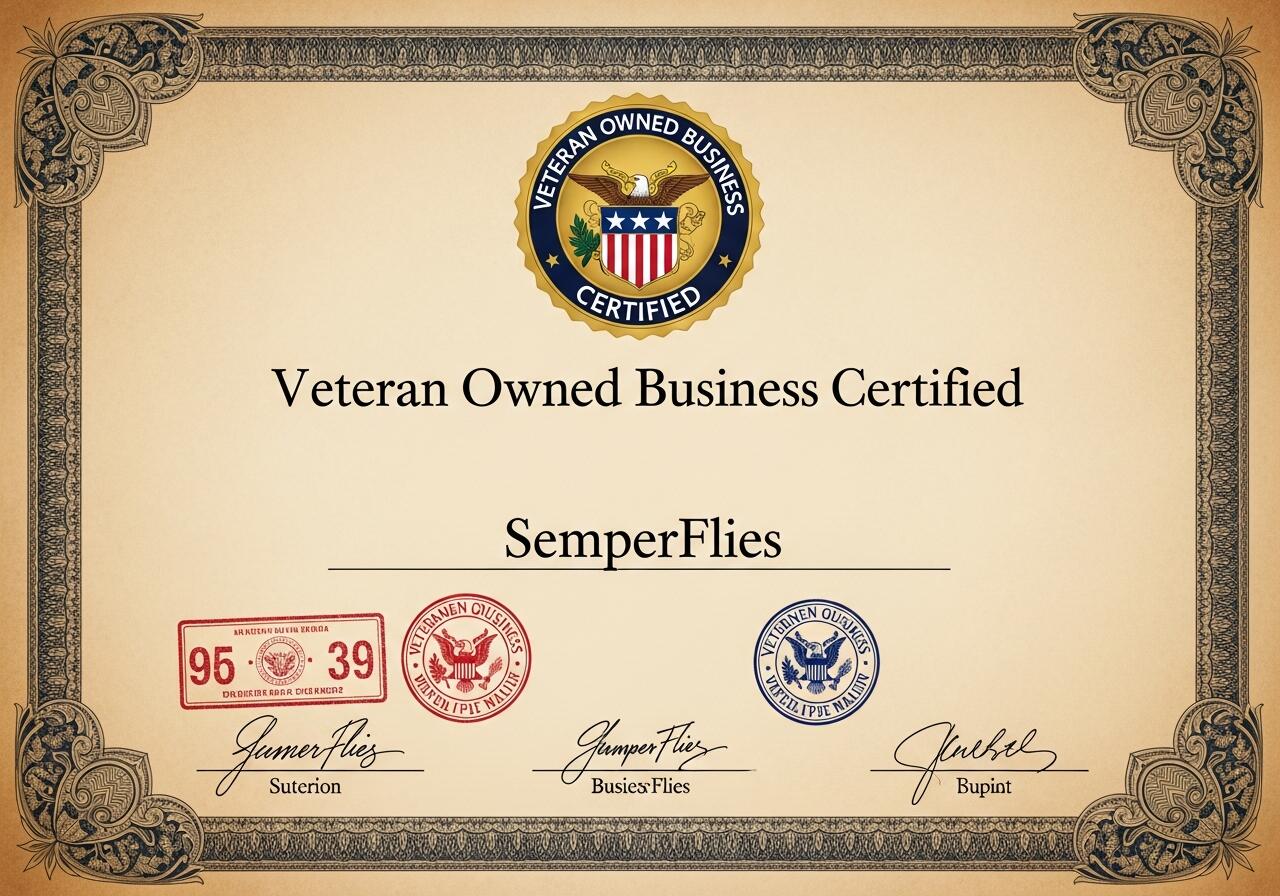
Veteran Owned Business
Proudly certified veteran-owned and operated with military precision
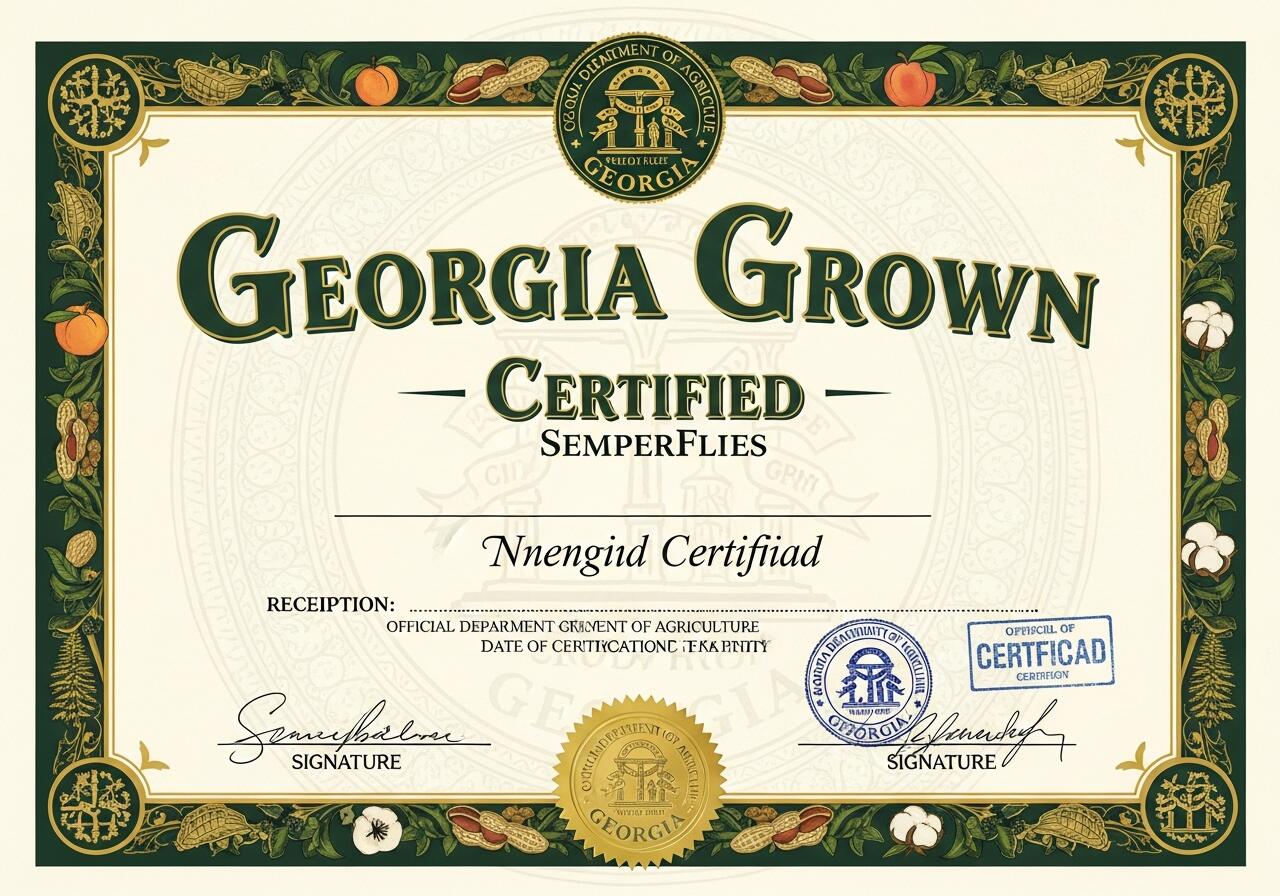
Georgia Grown
Official Georgia Department of Agriculture certified producer
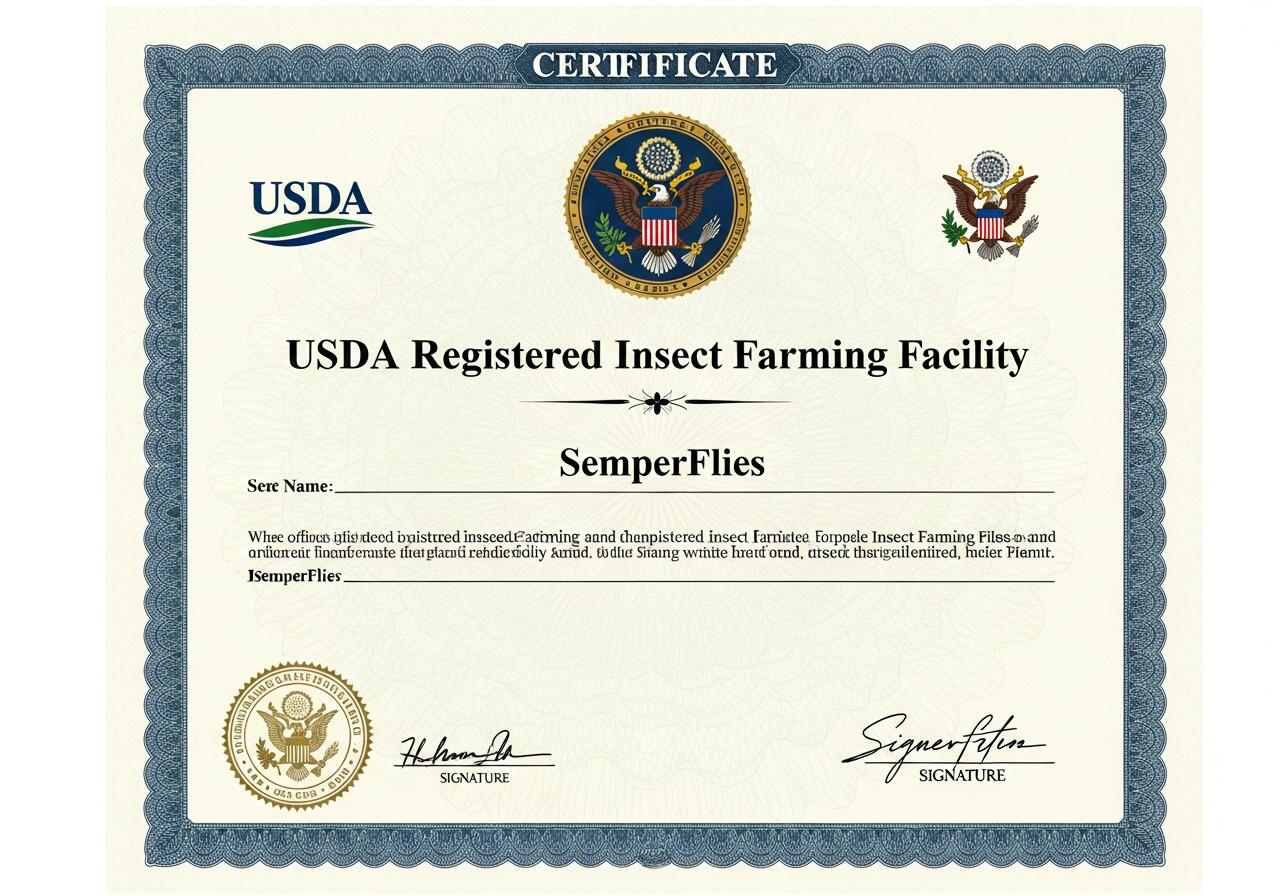
USDA Registered
Federally registered and inspected insect farming facility
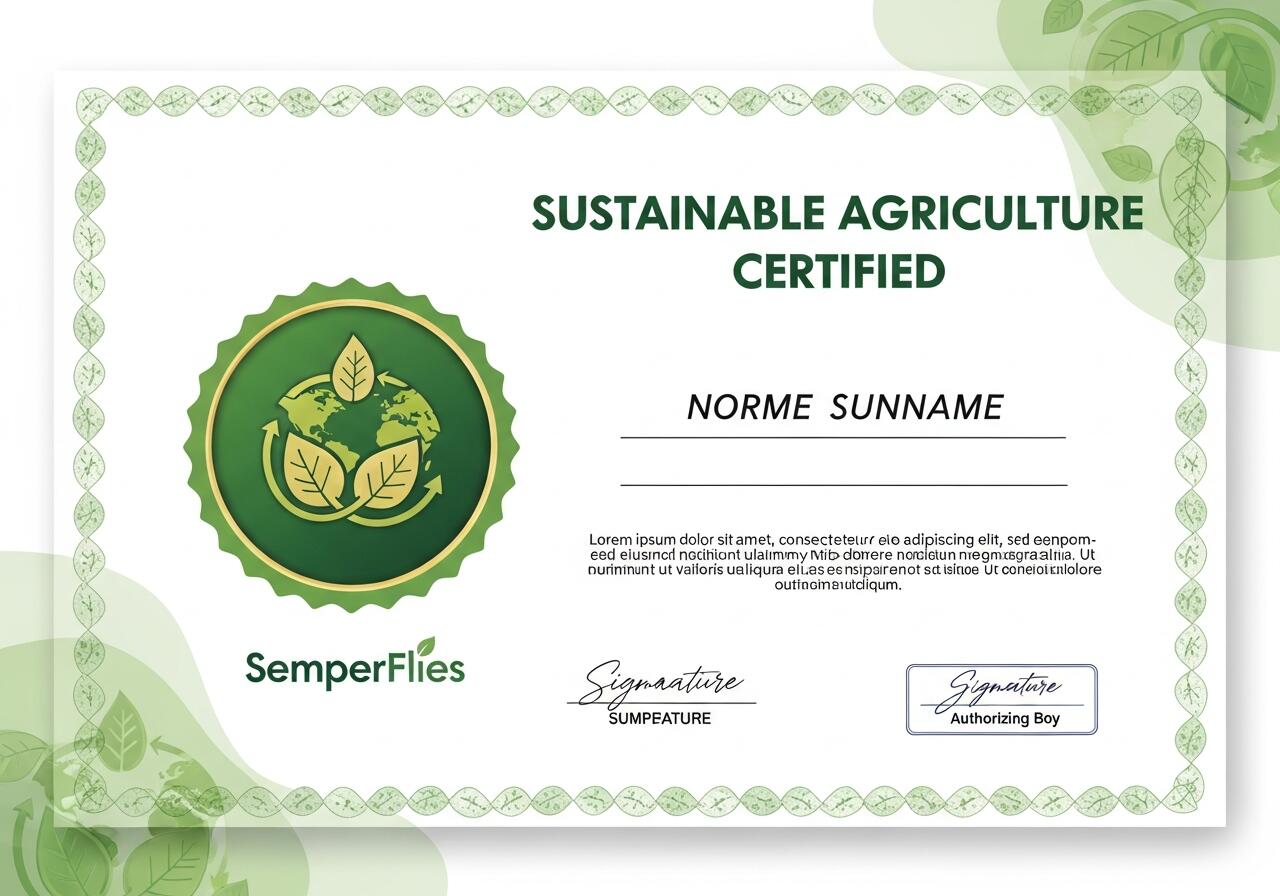
Sustainable Agriculture
Verified sustainable farming practices and environmental standards